TMS Therapy

Revitalize Your Mind with TMS Therapy

Transcranial Magnetic Stimulation (TMS) therapy has been noted to be an innovative procedure for managing TMS psychiatric treatments, especially depression. This procedure is done non-surgically; it involves the application of magnetic fields to generate signals that trigger nerve cells in the head. TMS has been a subject of development and research in the recent past and has received positive reception from standard medical societies across the globe and the FDA included. This article, therefore, focuses on TMS therapy and covers aspects of its functioning, advantages, and risks associated with treatment, costs, and its use in treating depression, anxiety, and other psychological disorders. 

What is TMS Therapy?

TMS therapy is a kind of brain stimulus therapy, and its abbreviation is Transcranial Magnetic Stimulation. It works by applying magnetic fields that stimulate the areas of the brain, which is not working well in a person diagnosed with depression. It is particularly helpful to those individuals who have not shown improvement to other treatments such as drugs or analytical therapy. 

How TMS Therapy Works

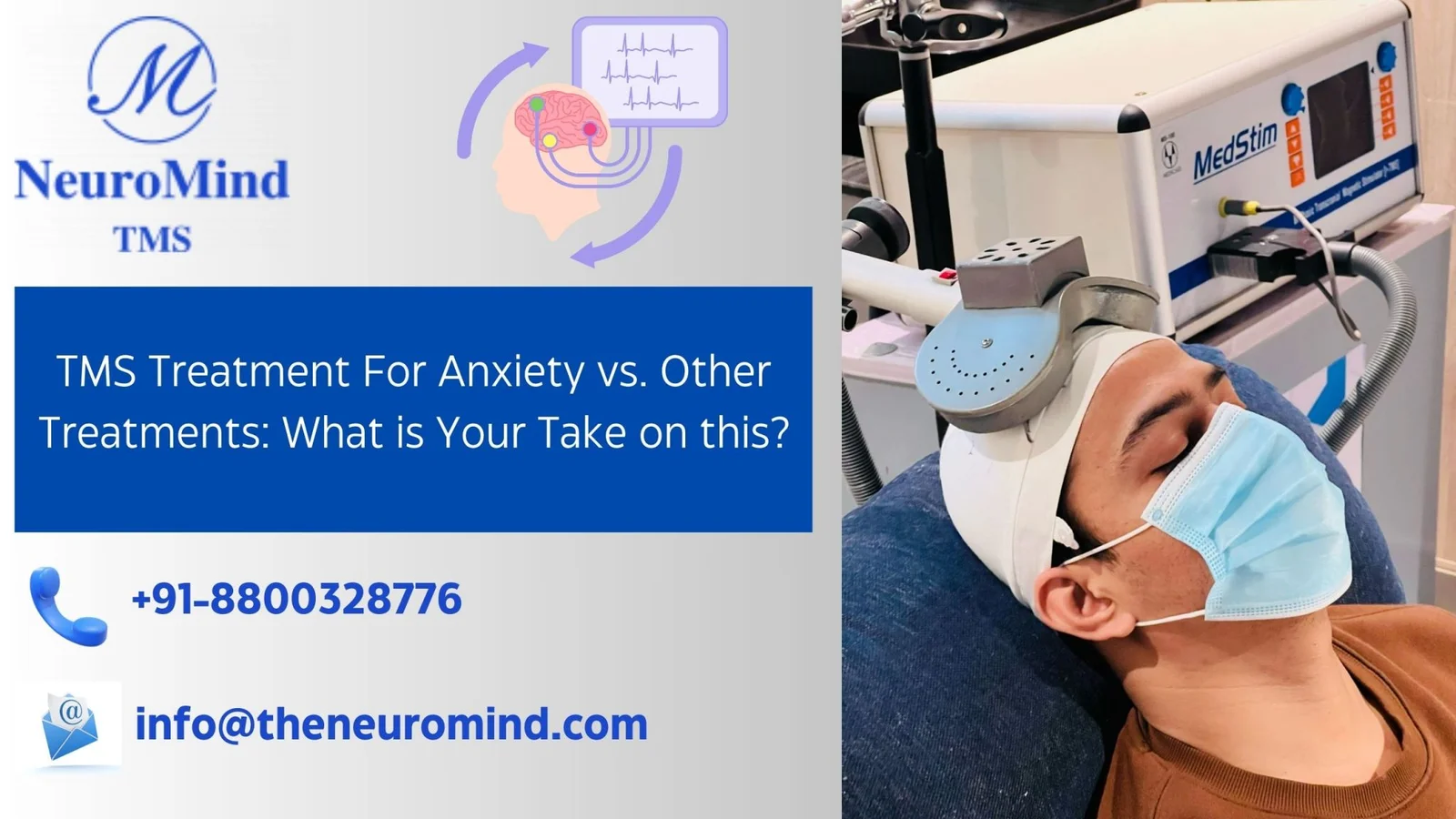
TMS therapy for the treatment of patients with MDD is carried out using an electromagnetic coil that is placed on the scalp over the area of the forehead. In the process called transcranial magnetic stimulation or TMS, for short, during the session, the coil gives magnetic pulses to the brain. These pulses produce small amounts of electrical currents that activate the nervous cells of the stimulated brain area, in most cases, the prefrontal cortex that is responsible for mood. 

This is why it is called ‘repetitive TMS’ or rTMS, and the continuous stimulation assists in the improvement of brain activity in order to provide some relief in depression as well as other similar disorders. Although TMS resembles any other rTMS procedure, dTMS employs distinct coils with augmented penetration into the deeper cerebral tissues to provide an additional dimension to therapy. 

TMS Treatment for Depression

Depression is one of the focuses of TMS therapy; it is considered to be one of the key disorders treated with transcranial magnetic stimulation. Major depressive disorder is a mental disorder that affects hundreds of millions of people worldwide, and for most of the patients, their clinicians commonly prescribe antidepressants, and psychotherapy cannot sufficiently alleviate the depressive symptoms. Treatment through Transcranial magnetic stimulation, or TMS for depression, therefore, presents a better solution. 

Scientific research has also supported the effectiveness of TMS therapy, pointing out that it does result in the decrease of depressive symptoms, and for some patients, it even leads to a complete alleviation of symptoms. The Food and Drug Administration has approved TMS as a viable method to treat depression, which confirms that it does not pose any threat to the life of the patient or their well-being. 

TMS for anxiety and other conditions 

Apart from MDD, TMS therapy also proves useful in anxiety disorders such as GAD and panic disorders. Through the magnetic pulses, they can alter specific components of the brain that cause anxiety, therefore solving a patient’s problem. 

Furthermore, TMS therapy is specifically approved for the treatment of obsessive-compulsive disorder, while the therapy has proven effective for the treatment of such conditions as PTSD, bipolar disorder, and even certain types of migraines etc. 

Benefits of TMS Therapy

TMS therapy offers numerous benefits, including TMS therapy provides various benefits, including:-

Non-Invasive Nature: Here, it is crucial to note that unlike another treatment known as electroconvulsive therapy (ECT), TMS does not use anesthesia or cause seizures. However, it is a noninvasive technique, making it less risky for many patients as compared to the invasive methods. 

Minimal Side Effects: The side effects range from mild headaches to discomfort that consumers may feel in the scalp. Usually, the remedy is to leave them alone as they fade away. In this matter, there are no systematized side effects as are found in medication, for instance. 

High Efficacy: TMS therapy has proven to be effective and has a high rate of effectiveness, especially for patients with treatment-resistant depression. Most of them show a lot of improvements in their conditions during the hospital stay or within a short period. 

Quick Recovery: TMS depression treatment sessions are shorter, taking anywhere from 20 to 40 minutes and do not entail any form of immobilization, thus making it possible for patients to continue with their activities after the session is complete. 

Is TMS Therapy Safe?

The question that is prevalent in patients interested in undergoing TMS is, ‘Is TMS safe?’The answer is yes. Magnetic therapy for depression is seen to be safe with low levels of tolerance rates from the patients. Scientifically, it has been extensively researched and given approval by the US Food and Drug Administration as a remedy for depression and other related illnesses. The complication rate is considered low, particularly with regard to major adverse effects associated with the procedure. 

Cost of TMS Therapy

Another factor that may influence the effectiveness of TMS therapy is the number of sessions required, the expertise of the medical team, and the type of TMS device used. The overall treatment plan is tailored to each individual’s condition, ensuring a personalized and effective approach to recovery.

TMS Therapy Procedure

A typical TMS brain therapy session follows these steps: A typical TMS therapy session follows these steps: 

Preparation: The patient is then asked to sit comfortably with their head fixed and the TMS therapist then positions the electromagnetic coil right on the scalp of the patient. 

Mapping: The therapist has a means of quantifying the patient’s head to identify the precise place or area to administer the stimulation: the prefrontal cortex. 

Stimulation: Through the coil that is fixed on the scalp, magnetic pulses are applied to the desired area of the brain. They may hear clicking sounds and touch their head to feel a tapping rhythm as the surgeon works. 

Session Duration: The duration of each session may vary from 20 to 40 minutes depending on the presenter’s state, fatigue or any other circumstances. The patient becomes aware during the procedure and does not have to be sedated. 

Electroconvulsive Therapy for Panic Disorder

The treatment of the disorder through the use of TMS has been noted to be effective in treating panic disorder, a mental illness that involves sudden onset of fear. The study has further revealed that TMS acts selectively on the areas of the brain responsible for fear or anxiety, thus helping patients experiencing panic attacks achieve improved results than when using other modalities of treatment. 

What Can TMS Treat?

TMS therapy is versatile and can treat various mental health conditions, including TMS therapy is versatile and can treat multiple mental health conditions, including: 

  • Major Depressive Disorder (MDD) 
  • Generalized Anxiety Disorder (GAD) 
  • Obsessive-Compulsive Disorder (OCD) 
  • Panic Disorder 
  • Post-Traumatic Stress Disorder (PTSD) 
  • Bipolar Disorder 
  • Migraines 

TMS Therapy in Psychiatry

TMS therapy gradually belongs to the practice of psychiatry as another outpatient treatment modality. Hearing about this treatment, psychiatrists and psychologists are opening new opportunities to apply this method to patients who did not react to normal therapies. TMS therapists undergo training in order to offer TMS and also see to it that they follow up with the patients. 

TMS vs. Medication

This is a very important and valuable contribution that TMS therapy has over medication, that is, it has no systemic side effects. Other potential side effects that are associated with antidepressant medications include weight gain, sexual dysfunction, and gastrointestinal complications. On the other hand, TMS therapy affects specific areas of the brain only and thus is not invasive to the rest of the body, making it to be considered by many patients. 

Conclusion

Transcranial Magnetic Stimulation (TMS) therapy offers a significant improvement to traditional management of depression, anxiety, and other mental illnesses. Since it’s not an invasive procedure and is tolerated well by most people, it gives a ray of hope to those who did not get better with standard therapies. Due to its very high effectiveness rate and a relatively low risk of side effects, together with the generally growing availability of TMS therapy, it may be expected that it will become one of the cornerstones of mental health treatment. Whether one wants TMS treatment for depression, anxiety, or any other disorder, appropriate consultation with our TMS therapist can help in identifying whether this new approach to therapy is common for them. 

Send a Quick Inquiry

Treatment with TMS Therapy

Depression

Anxiety

OCD

PTSD

Migraine

Bipolar Disorder

Medical Team

Dr. Angad Singh

Senior Psychiatrist - 12+ Years Experience

Dr. Pranjal Pandey

Neuro Surgeon - 10+ Years Experience

Dr. Desiree Saimbi

Senior Psychiatrist - 10+ Years Experience

Dr. Varun Prakash

MBBS MD ( Sr. Anaesthesiologist) - 10+ Years Experience
Related Blogs

Urban Depression: The Hidden Mental Health Crisis Growing in Delhi & How to Get the Right Treatment

Delhi is moving fast. However, Delhi sometimes gets too fast for the human mind to keep up. Factors like long work hours, unpredictable...

Strengthen Your Mind Against Stress and Anxiety: Manage Its Impact

People from all over the world, living fast-paced lives, experience stress and anxiety every day. When committed to triggering...

Why Do Some Teens Develop OCD? Exploring the Causes and Triggers

Obsessive-compulsive disorder (OCD) is a mental health issue that can impact anyone but is most likely to start in adolescence. Many...

TMS Treatment For Anxiety vs. other Treatment: what is your take on this?

Today, Anxiety disorders are affecting millions of people across the world, impacting daily life & well-being. Fortunately...

Related Youtube Videos

WHO WE ARE

Generally Asked Questions.

How does TMS therapy work

TMS therapy works by creating a magnetic field that passes through the skull and reaches the brain. This magnetic field causes electrical currents to flow in the brain, which can then stimulate nerve cells. This stimulation can help to improve the activity of the brain and relieve symptoms of mental health conditions.

How much does TMS therapy cost in Delhi?

TMS therapy cost in Delhi varies depending on the clinic or hospital, the type of device used, and the number of treatment sessions. However, TMS therapy is typically covered by insurance.

What are the side effects of TMS therapy?

TMS therapy is generally well-tolerated and has few side effects. The most common side effects are headache, scalp discomfort, and tingling or burning sensation in the head. These side effects are usually mild and go away on their own.